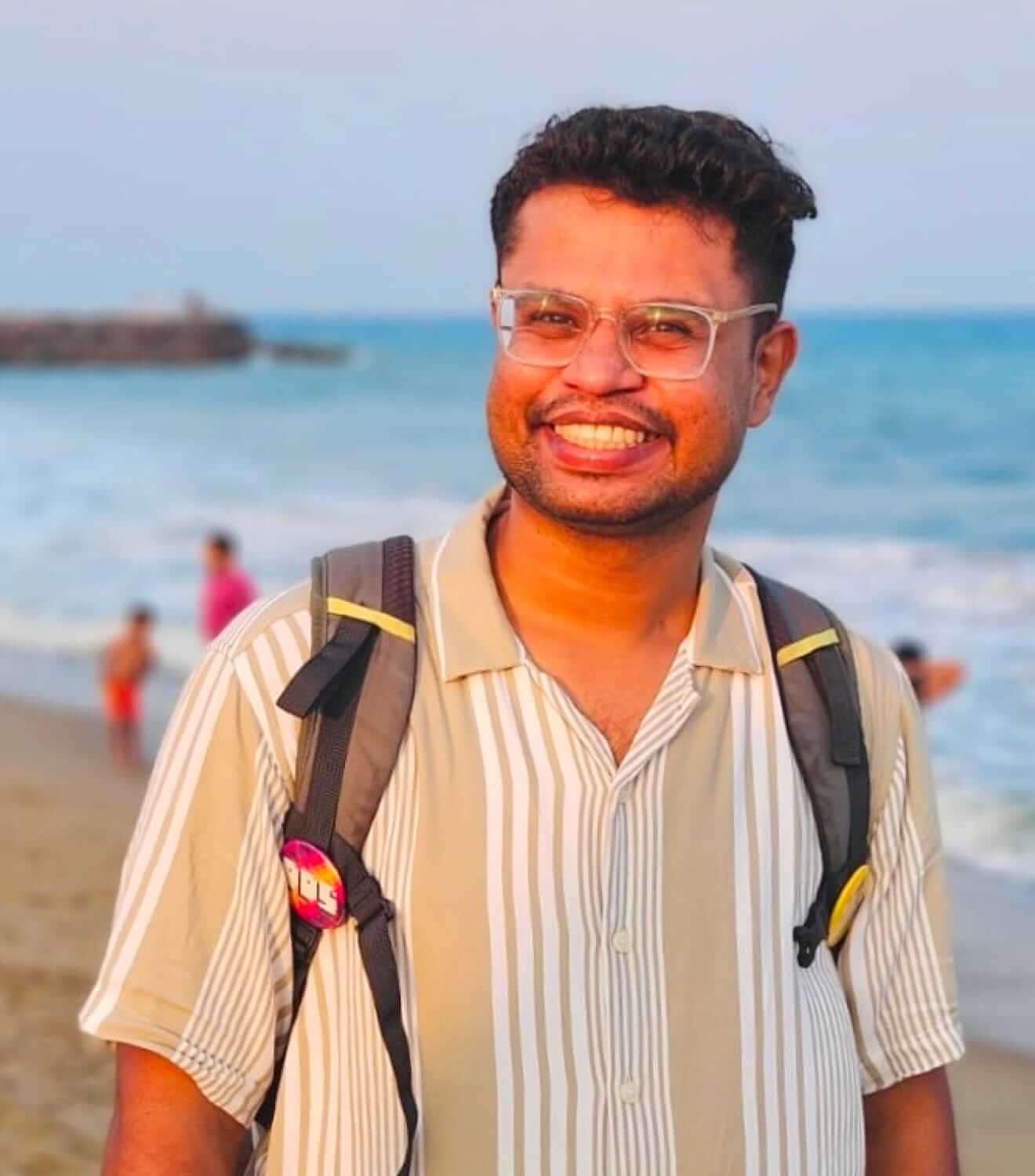
Enlin's photo

IbuildthethingsIdesign.

LeadProductDesignerwith6+yearsacrosstravel,enterprisecollaboration,andAI-assistedproducts.MostrecentlyatMakeMyTripholidaybooking,internationaltravel,andSellerAssist,anAIco-pilotforholidayexperts.Beforethat,fiveyearsatJioPlatformsleadingdesignforJioMeetandJioEva.

Istartedinembeddedsystemsbeforedesignpulledmein.B.TechinEEE,M.DesfromIDC,IITBombay.Istillbuild:frontendcode,hardwareprototypes,AItools,andphysical-digitalexperiments.Off-screen,paragliding,micro-drones,scuba,andendurancerunningkeepthatsameappetiteforprecision,risk,anditerationalive.

The throughline

My Story and Approach

The common thread through all of it is simple: I like systems that have real consequences. Sometimes that means product strategy, dashboards, and AI workflows. Sometimes it means sensors, physical interfaces, or a prototype held together just long enough to learn something useful.

From Embedded Systems To Product Design

I didn't arrive at design from branding or visual culture. I started in embedded systems, building around constraints, signals, hardware, and real-world behaviour. Design came later, but it stuck because it let me work on the same class of complex problems from the human side.

Scale, Structure, And Product Consequence

The Jio years sharpened scale: collaboration, enterprise workflows, dashboards, systems, and the pressure of designing for millions. MakeMyTrip adds a different layer: ambiguity, operations, business logic, and AI-assisted workflows that need to be useful before they can be impressive.

Builder By Habit, Not Branding

I still write frontend code, prototype with AI tools, and build hardware because I think better when I can test ideas directly. The throughline is not “multidisciplinary” for its own sake. It is curiosity translated into systems, products, and experiments that have to work in the real world.

Outside the brief

A Spectrum of Interests

Not everything that shapes the work shows up in case studies. These are the territories where curiosity keeps pulling when there is no client, deadline, or roadmap telling me where to look.

At the Cutting Edge

HCI, wearables, ubiquitous computing, low-power ML — they all live at the same edge: where computation meets the physical world in real time. That boundary is where the most interesting design problems are. Also: pyrotechnics. Not everything needs a rationale.

Active Pursuits: On Land & In Air

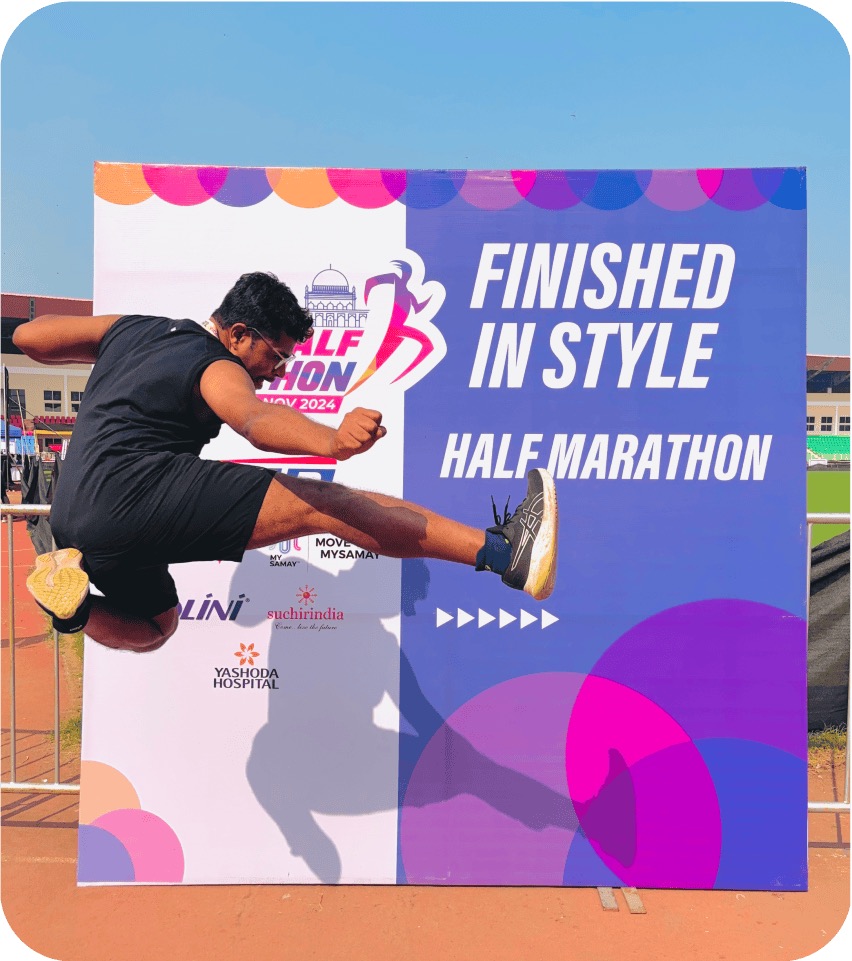
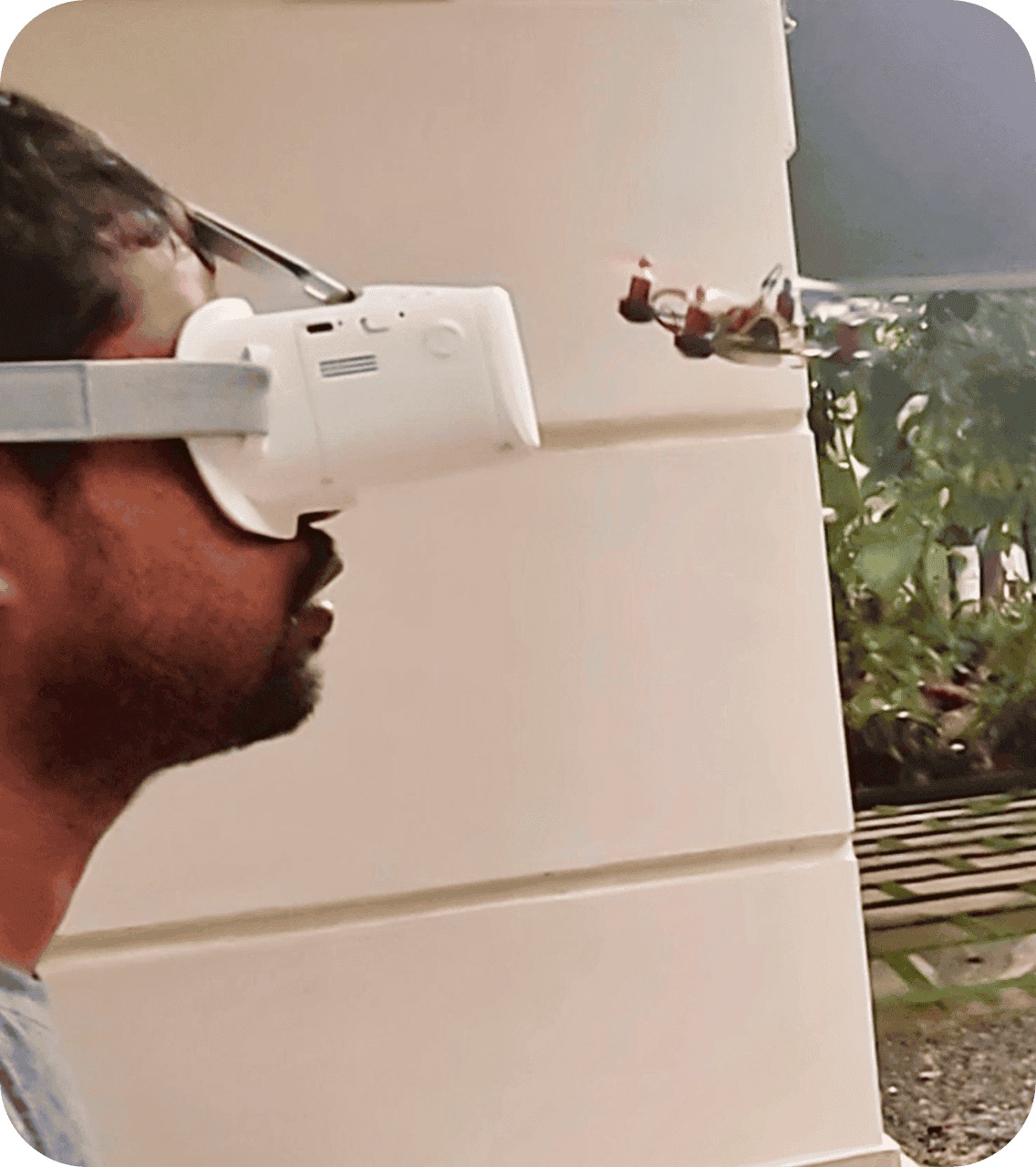
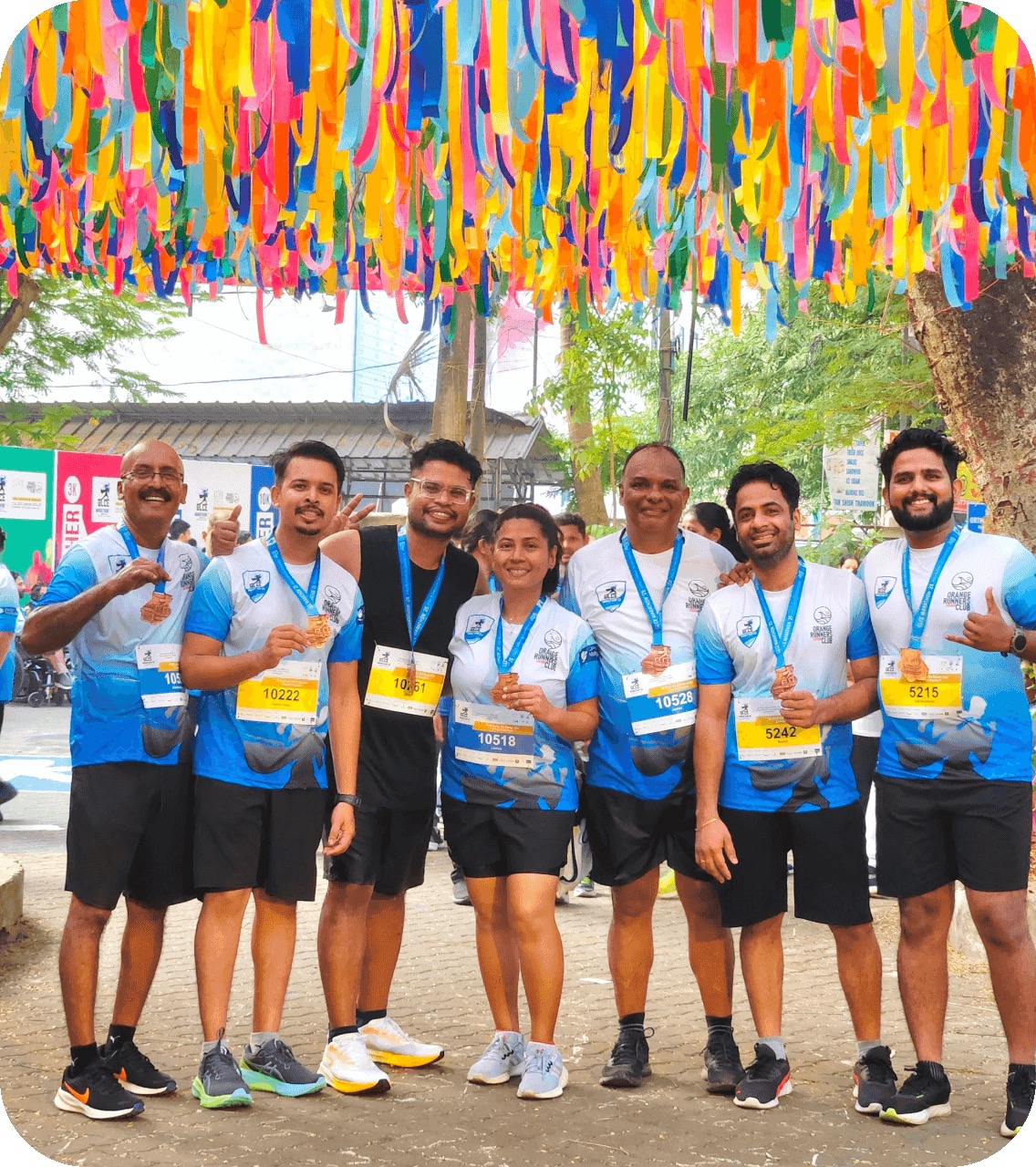
Running is the habit that stuck. Several half marathons in, I still haven't worked out exactly why — but the rhythm does something useful for how I think. RC planes, helicopters, and micro-drones fill the rest of the airtime. Building them is at least half the point.

Exploring New Perspectives: Above & Below

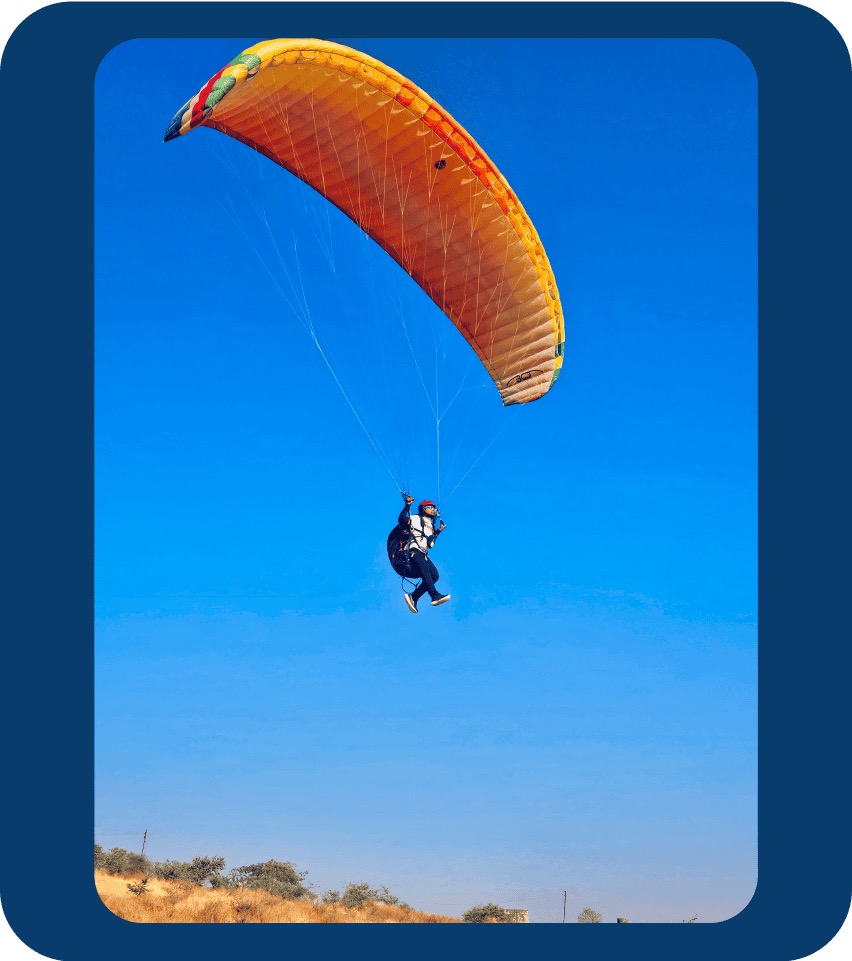
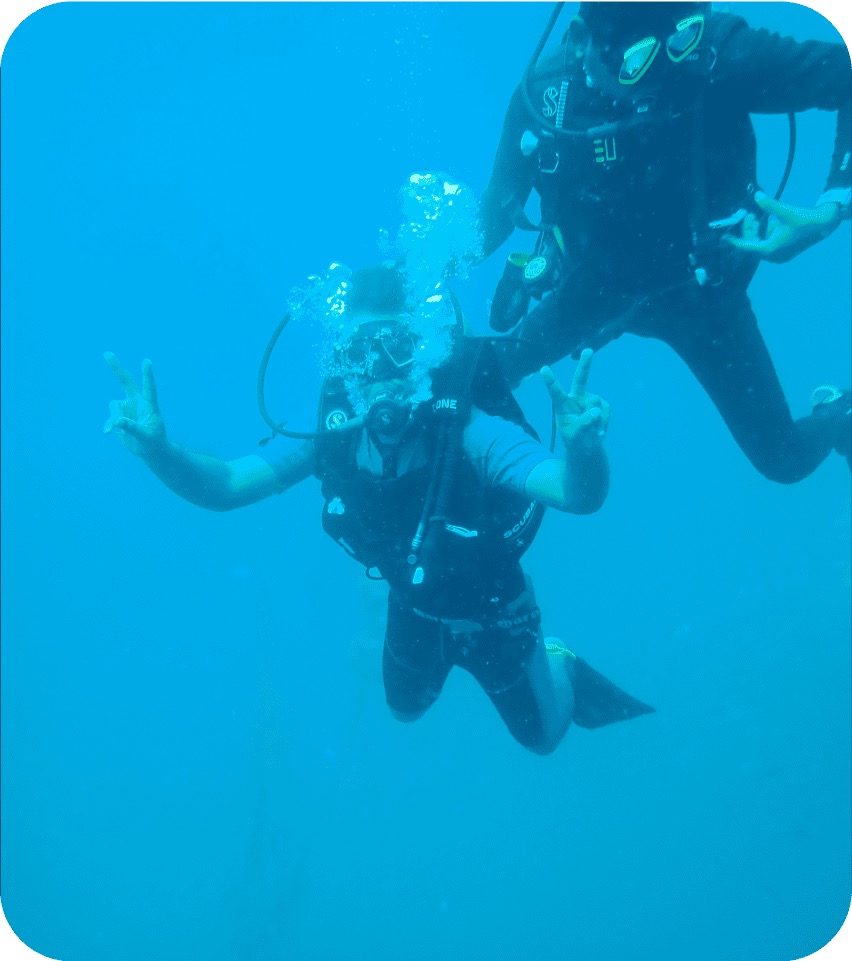
Underwater with a SCUBA rig, or a few hundred metres above a ridge under a paraglider — both involve committing fully to an environment that doesn't naturally accommodate you. I'm mid-way through APPI Level 2. The progression is slow and deliberate. Some things shouldn't be rushed.

Stargazer's Awe

I track the Moon, the ISS, Tiangong, Hubble, and satellites in real time. Knowing precisely what's passing overhead, and when — there's something about that specific knowledge that never gets old. Human ingenuity at planetary scale, visible to the naked eye on a clear night.

Field notes

A moving strip of the places, people, and pursuits that keep feeding the work outside case-study mode.

paragliding
half marathon finish
FPV drone goggles
scuba diving
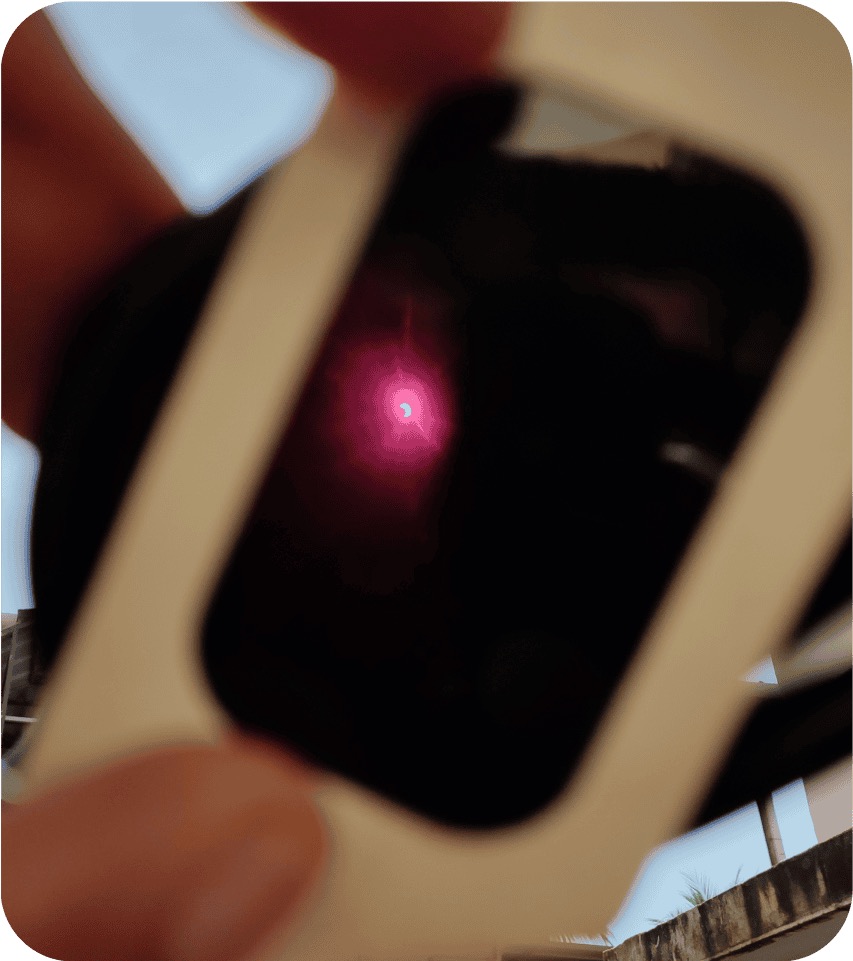
solar eclipse through polarised glass
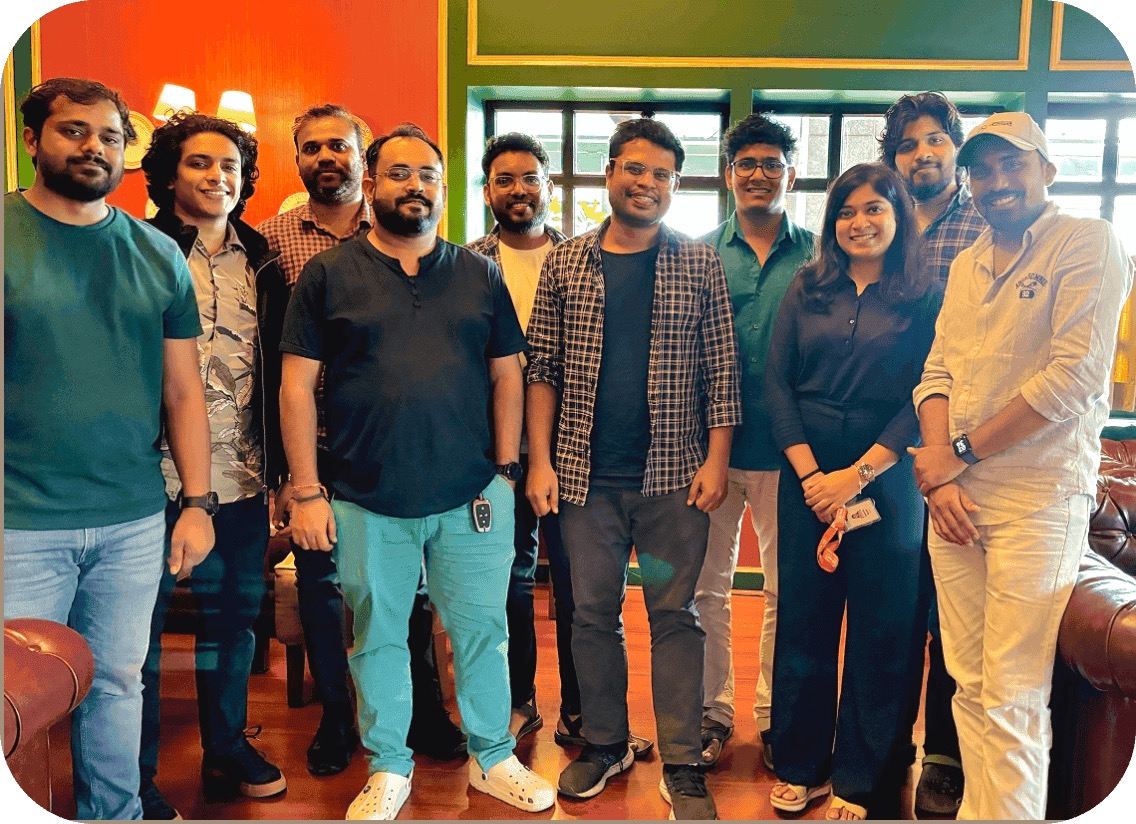
MakeMyTrip group photo
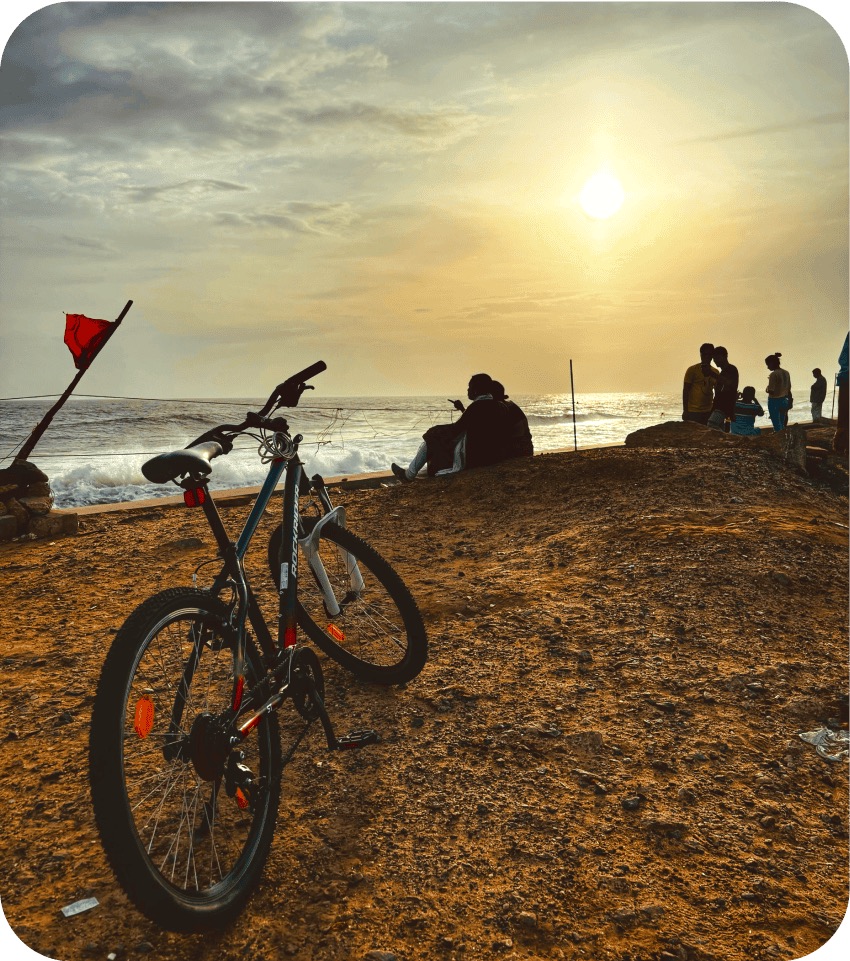
mountain bike at sunset beach
5-year team celebration
10K run with team
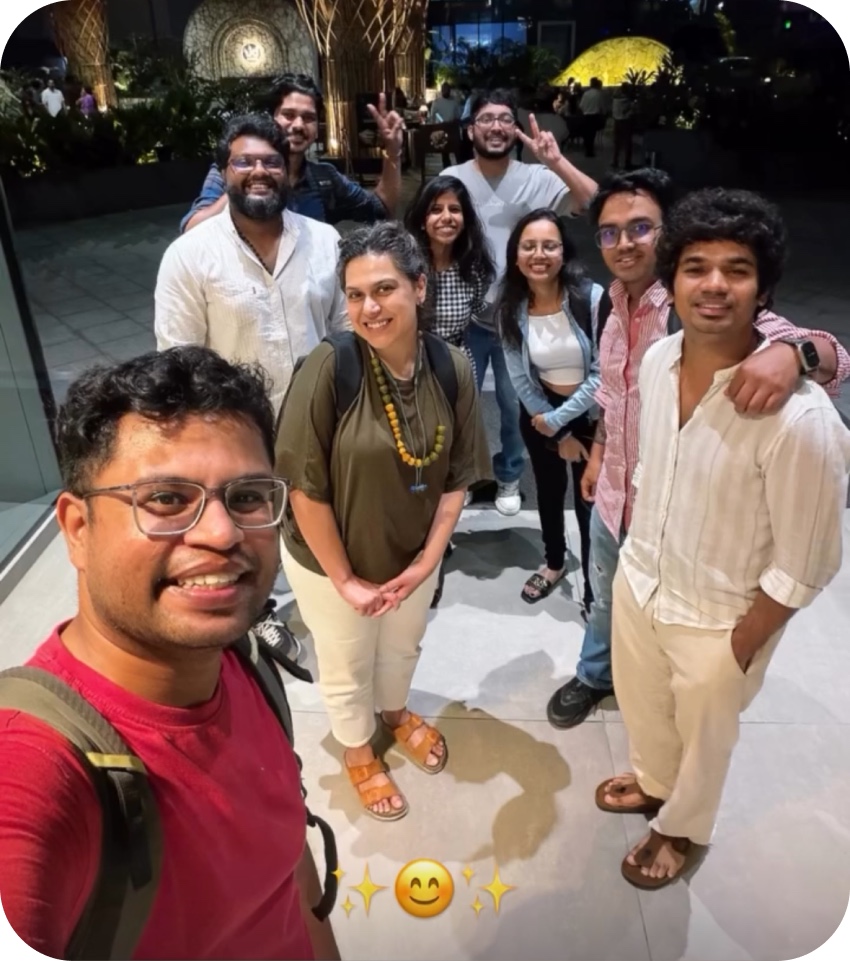
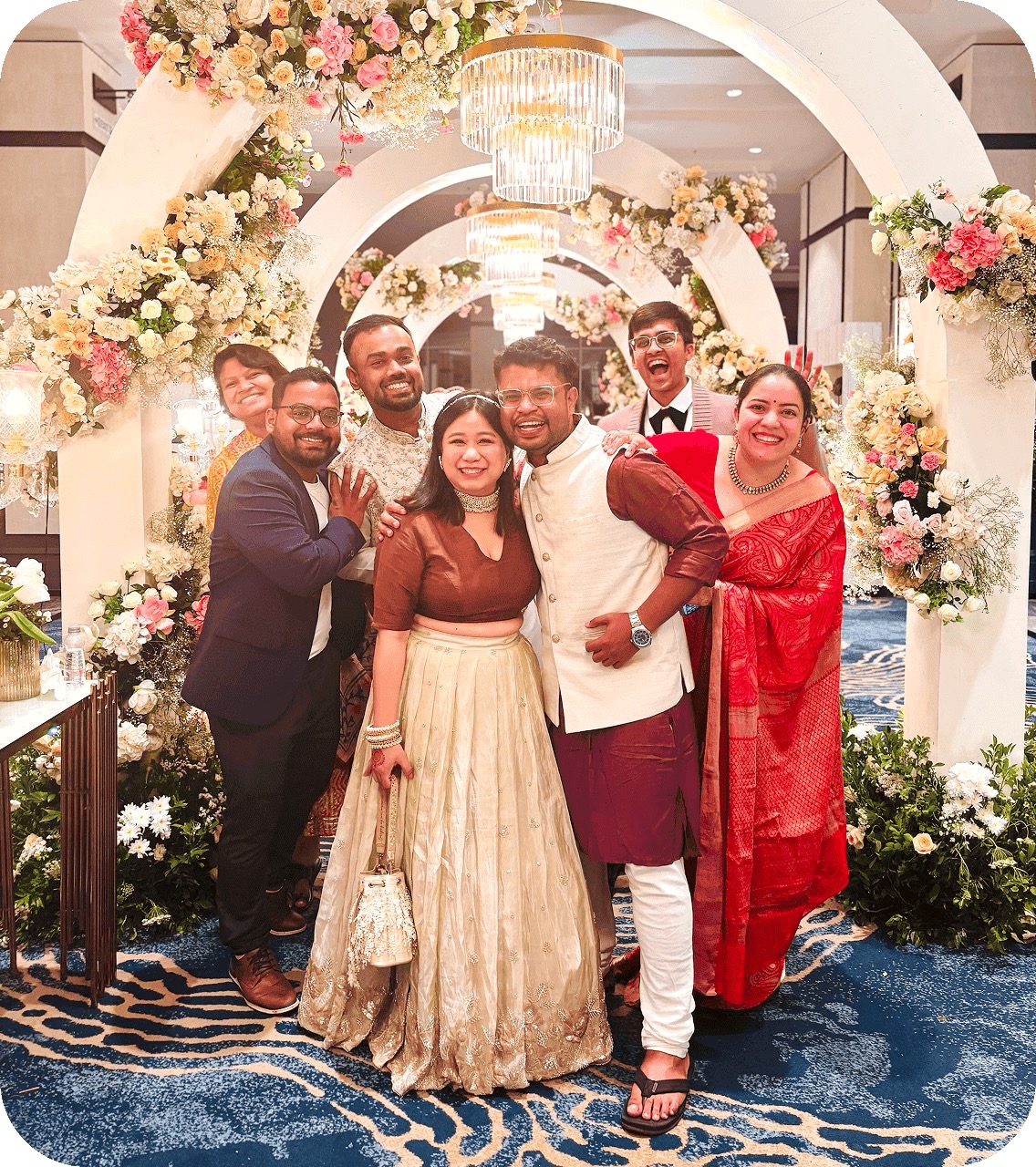
wedding reception with friends
paragliding
half marathon finish
FPV drone goggles
scuba diving
solar eclipse through polarised glass
MakeMyTrip group photo
mountain bike at sunset beach
5-year team celebration
10K run with team
wedding reception with friends
paragliding
half marathon finish
FPV drone goggles
scuba diving
solar eclipse through polarised glass
MakeMyTrip group photo
mountain bike at sunset beach
5-year team celebration
10K run with team
wedding reception with friends

Where Interests & Design Converge

These territories aren't separate from the work — they feed it. The projects that interest me most respond to the physical world: touch, gesture, proximity, voice. Sometimes controlled bursts of fire. Mostly for science. And a little for the stars.

Recurring obsessions

Things I Keep Coming Back To

These are not portfolio projects and they are not random trivia either. They are recurring obsessions, taste signals, and environments that keep informing how I look at craft, performance, feedback, and systems.

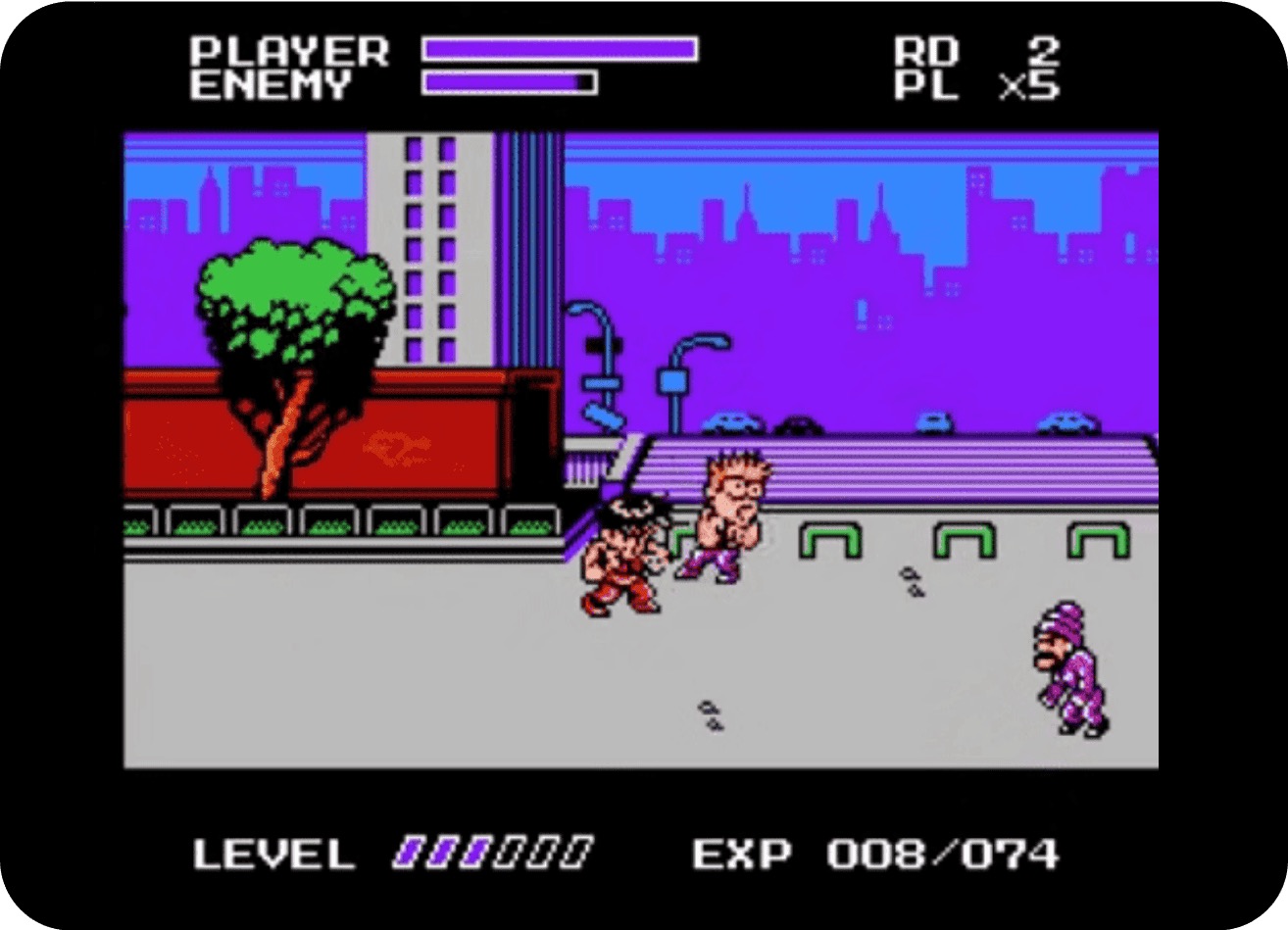
image of game the Mighty Final Fight
Play

Retro and Modern Games

Games were the first place I encountered design without knowing it — worlds with rules, feedback, and consequence built into every interaction. The retro side-scrollers hold up because the interaction model was always clean. Mighty Final Fight, Mario Bros., Mortal Kombat.

The sim side is where I spend real time. IL-2 Sturmovik and Microsoft Combat Flight Simulator reward patience and study. Liftoff is the FPV racing sim I use to practice before putting actual hardware at risk.

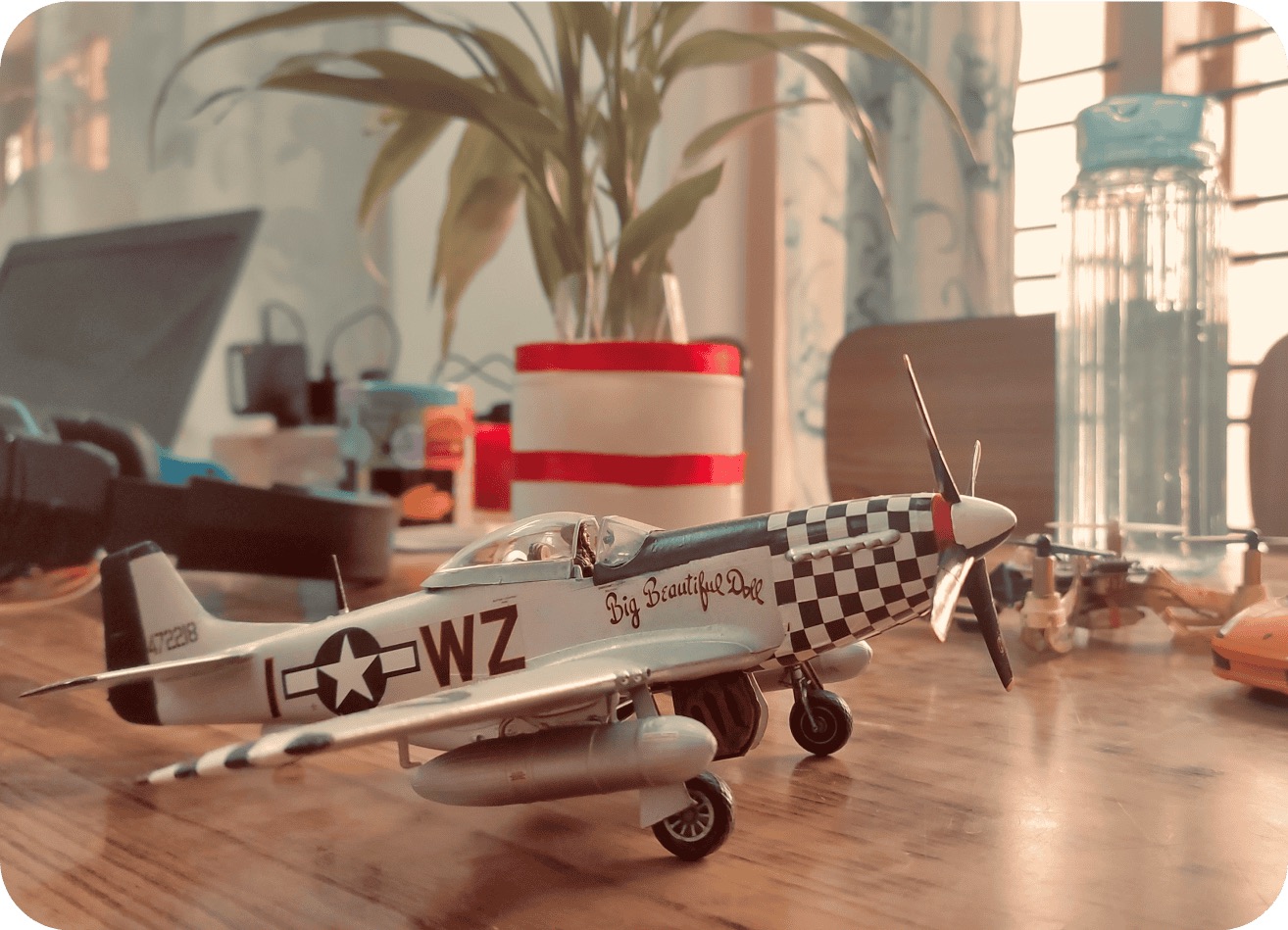
image of scaled model of P-51D Mustang
Flight

As a Combat Flight Simulator Pilot

The P-51D Mustang shown here is a 1:48 scale model — the real machine is the "Big Beautiful Doll," which is exactly what it looks like. My roster spans WWI to modern: Sopwith Camel, Bf-109, Fw 190, P-38 Lightning, Spitfire Mk.IX, F-22 Raptor.

The variance in handling across eras is what keeps it interesting. A Camel will kill you faster than the enemy if you don't respect the torque.

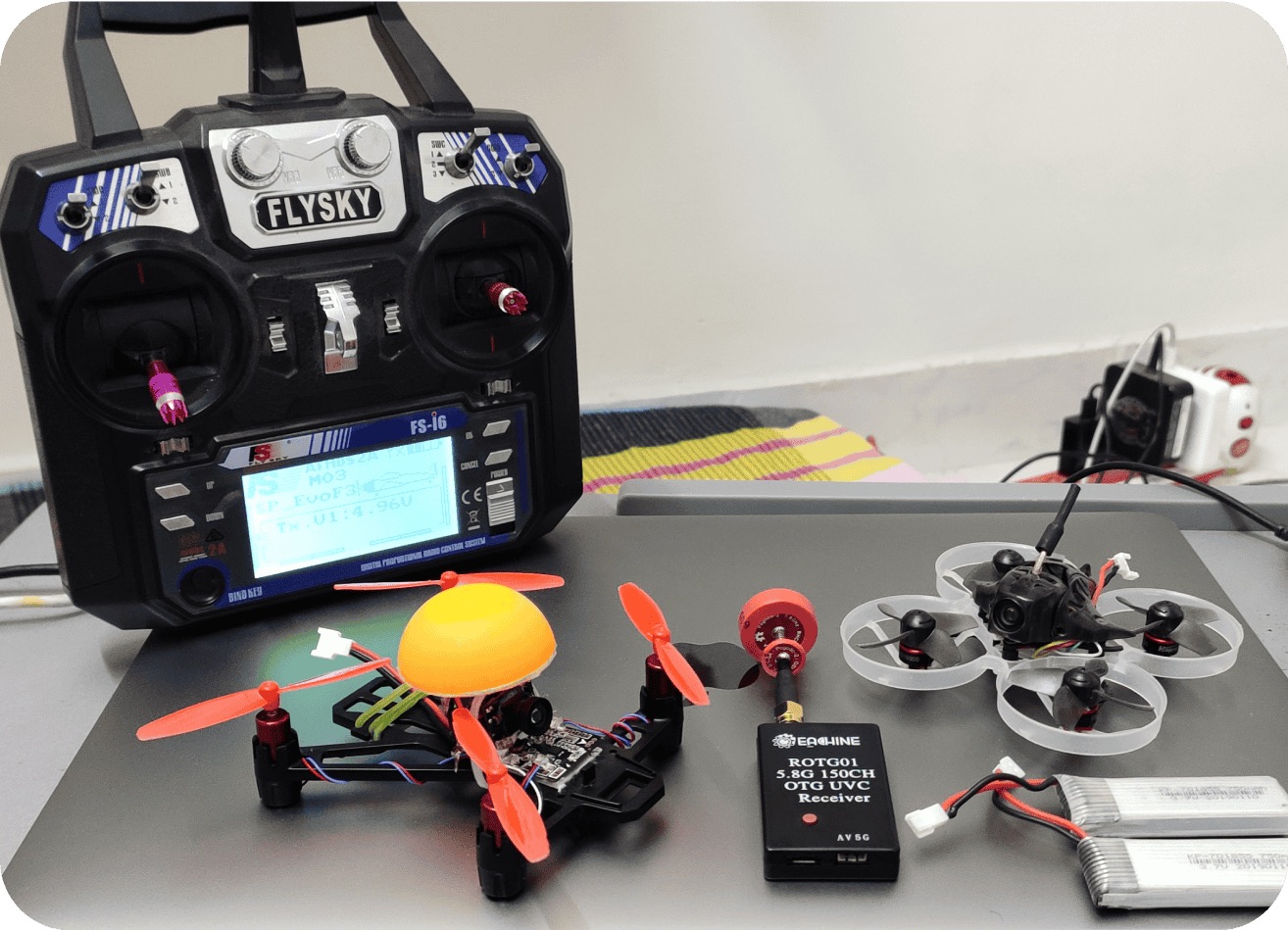
image of drone setup
Makerspace

FPV Drones

Tiny Whoops and Toothpicks — micro class FPV drones small enough to fly indoors. My daily fliers are a brushless Mobula 7 and a brushed QX95, both custom-built from individual parts.

Frames, motors, FC, VTX — sourced separately, assembled by hand. Kits exist. I ignore them. Half the learning is in the build.

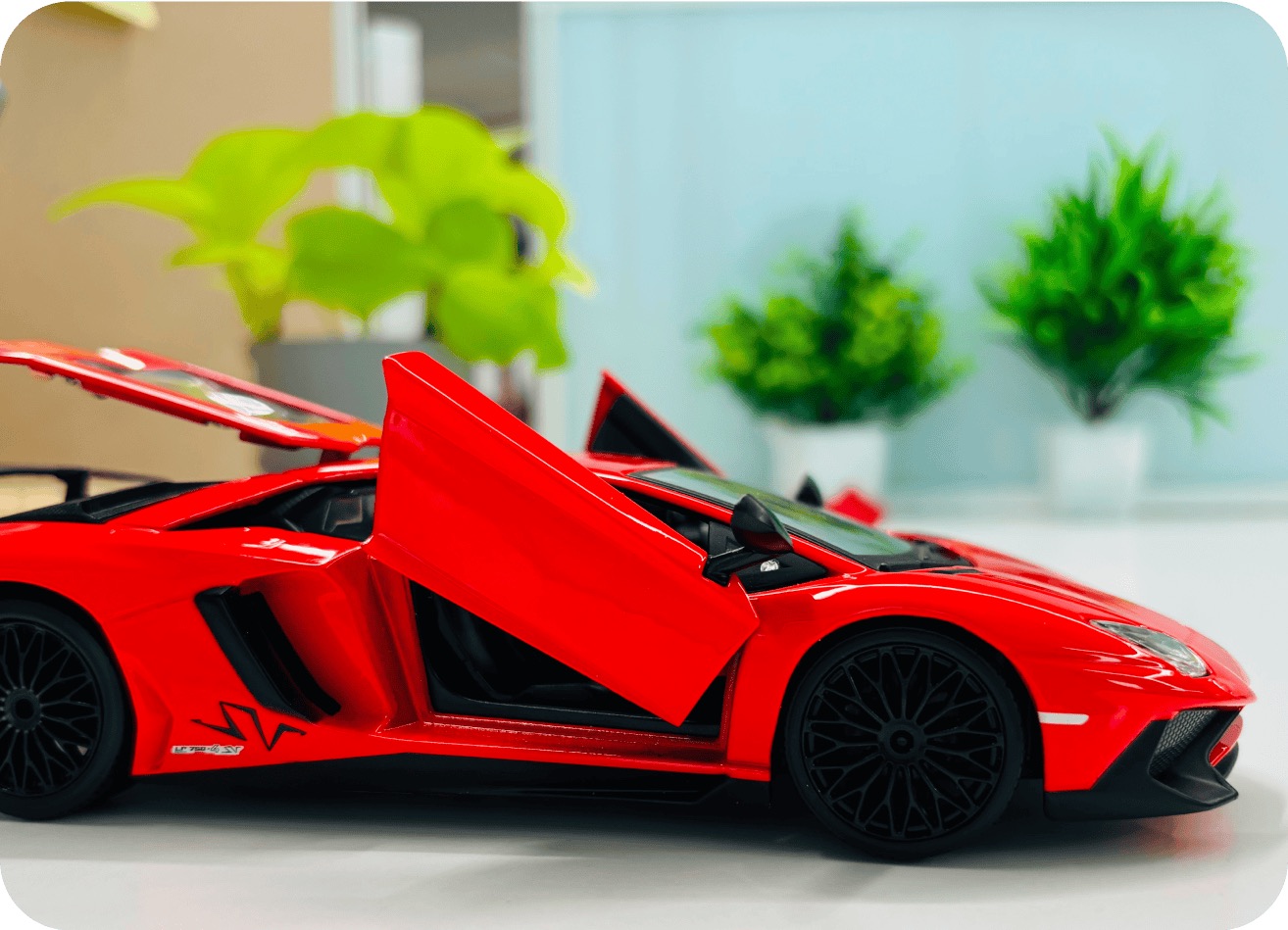
image of scaled model of Lamborghini Aventador SVJ
Motion

The Cars

The Aventador SVJ model shown here is 1:18 scale — close enough to feel the proportions. The real obsession is the contrast: the raw combustion theatre of the Lamborghini against the engineering honesty of EVs. Rivian's truck, SLATE's no-frills approach, the MINI Cooper 3 Door Hatch that manages to feel alive without trying too hard. I want them all for entirely different reasons.

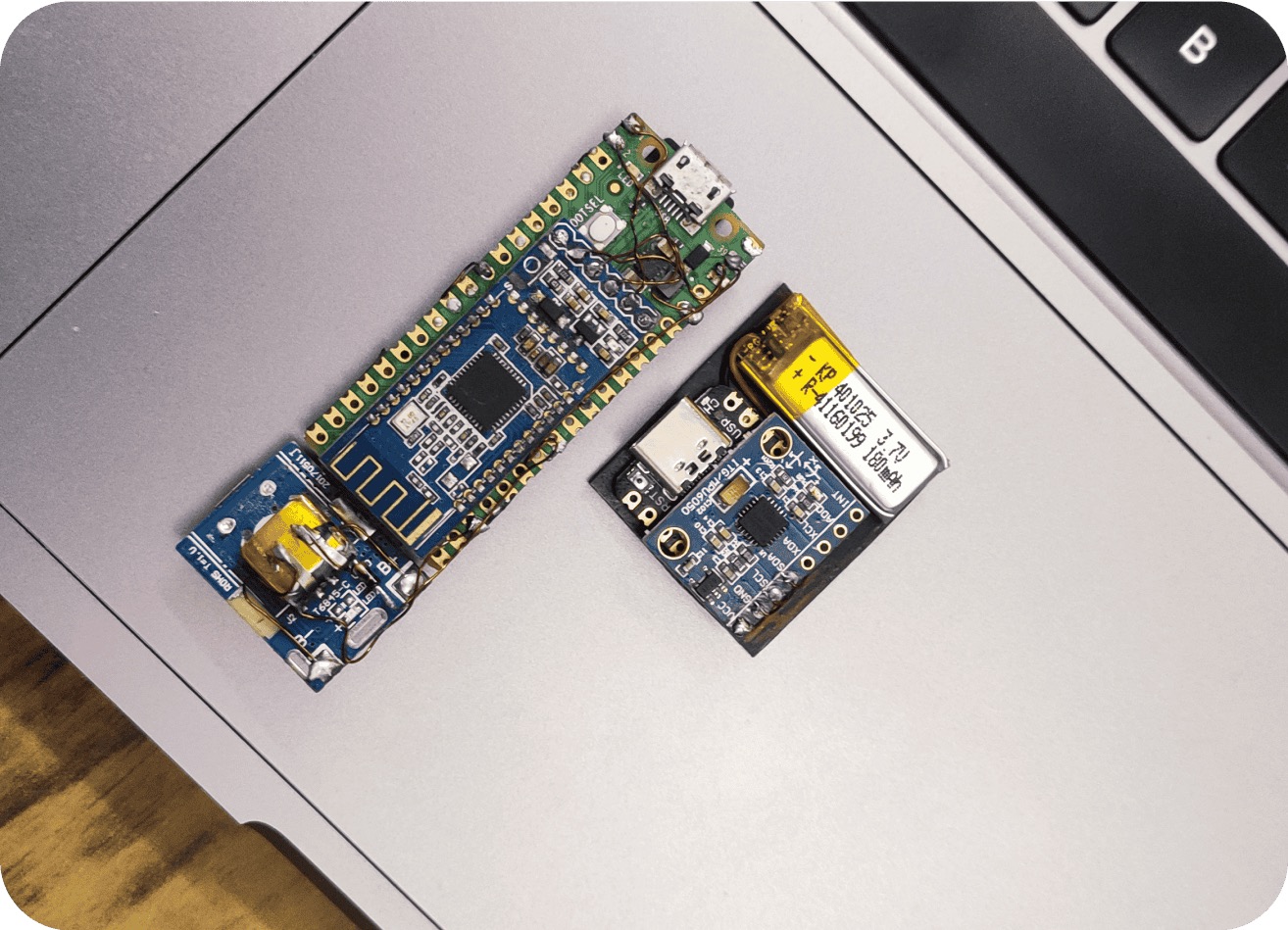
image of electronics prototype
Electronics

The Bench

The stack I keep returning to: nRF52840 and ESP chips for wireless, 1S LiPo for tight power budgets, Arduino and Raspberry Pi for prototyping, Adafruit for when I need it working today.

KiCAD for PCB design. FLUKE multimeter for everything else. The Weller stays on. Python on the data side, web tech and PWAs on the interface side. It covers the full pipeline from signal to screen — I've built things at every layer of it.

Colophon: Behind the Scenes

Designed in Figma, this portfolio began as an Astro website and is now being carried into a new phase. Its visual direction grows from a Pinterest-led moodboard of art, graphic fragments, and image references, gradually distilled into a language that feels personal to this body of work.

The current build is not a restart, but a continuation. I am developing it by building on top of the earlier site while learning the framework in public, using Next.js, Tailwind CSS, Motion, and Roboto Flex to shape its typography, spacing, layout, and movement.

During the Astro phase, Gemini helped with grammar and code. In the current phase, Claude Code and Codex have been more active collaborators — driving much of the rebuilding and extension work, not just assisting.
Let's make it happen.